


Facial Cupping After 40: Benefits, Techniques & My NOtox Approach
Have a facial cupping set sitting in a drawer? Consider this your invitation to take it out. Facial cupping can be a beautiful, intentional addition to your self-care routine, especially when your face looks tired, feels tense or needs a little extra attention.
By Adi Kaplan | Holistic Facialist, Facial Healing by Adi | Davie, South Florida

Quick answer: What is facial cupping?
Facial cupping uses small, soft suction cups that glide across lubricated skin. The gentle suction temporarily lifts the tissue and may increase local blood flow. People often use it as a facial massage ritual for a refreshed appearance and relief from the sensation of facial tension. Evidence for lasting anti-aging or collagen-boosting results is limited.
Why I Call Facial Cupping a Mini Workout for the Face
We make time to move our bodies, stretch and care for our muscles. Yet how often do we notice the tension we hold in our jaws, the way our faces feel after a stressful day, or the puffiness we see first thing in the morning?
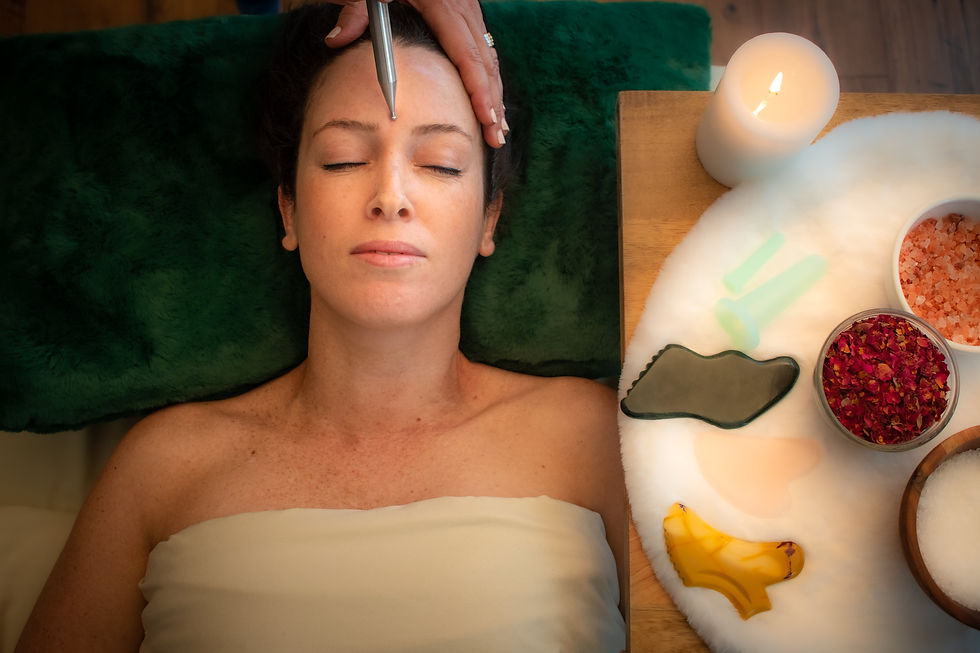
In my treatment room, I think of facial cupping as a mini workout for the face. Not because it replaces exercise or builds facial muscle like resistance training, but because it encourages us to pay attention to facial tissue, movement, circulation and relaxation. I have worked with facial cups for over a decade, and the biggest lesson I teach is simple: technique matters more than intensity.
At 50, my approach is not about fighting age. It is about supporting the skin and caring for yourself with mindful, practical rituals. That is what NOtox Self-Care means to me.
5 Facial Cupping Benefits Worth Knowing
1. A fresh, temporary glow
Gentle suction can increase circulation in the area being treated. Many people enjoy the flushed, refreshed look that can follow a short session. It is not a promise of permanent skin change, but it can be a lovely immediate effect.
2. A de-puffing massage ritual
Slow, light gliding movements may help temporarily improve the appearance of puffiness for some people, much like other gentle facial massage techniques. Research has not established facial cupping as a proven treatment for lymphatic disorders or chronic swelling.
3. Attention to jaw and facial tension
We carry so much stress in our faces, particularly around the jaw and temples. Gentle facial massage with cups can feel relaxing. If you have persistent jaw pain, clicking or suspected TMJ dysfunction, see a qualified healthcare professional rather than relying on cupping to treat it.
4. A moment to connect with your skin
One of the most overlooked benefits of skincare is taking a few intentional minutes for yourself. A simple facial cupping practice can help make self-care feel manageable rather than overwhelming.
5. A noninvasive addition to your pro-aging routine
Facial cupping does not require injections or invasive procedures. It can complement a thoughtful skincare routine, but it should not be marketed as a proven substitute for Botox, fillers or medical skin treatments. Claims that it permanently lifts skin, erases wrinkles or stimulates collagen have not been established by strong facial-specific research.
Facial Cupping vs. Body Cupping: What Is Different?
Both use suction, but facial cups are typically smaller and softer. My facial method uses
light suction and continuous gliding
, rather than leaving cups stationary to create strong suction marks. Body cupping may intentionally use different levels of suction. Even facial cups can bruise if used incorrectly, so do not confuse gentle with risk-free.
How to Use Facial Cups at Home: My Gentle-First Approach
Start with clean skin.
Remove makeup and wash your hands and cups according to their care instructions.
Apply facial oil for slip
The cup should glide easily without tugging. I prefer a generous amount of a skin-compatible facial oil.
Begin with very light suction.
Squeeze the silicone cup only enough to create a gentle hold. More suction does not mean better results.
Keep the cup moving.
Use smooth, slow strokes across suitable larger areas such as the cheeks and jawline. Never park a cup in one spot.
Avoid pulling, dragging or stretching delicate areas.
Finish gently.
Stop immediately if you experience discomfort, strong redness, pinching or discoloration. Clean the cups after use.
First-time user?
Learn the technique from a qualified practitioner like me before using stronger cups or working near the eyes. Do not cup directly over the eyeball. Email me to find out when my next in person or online class is: facialhealingbyadi@gmail.com
Will Facial Cupping Leave Bruises?
My goal is always no marks.
I teach a sliding technique with oil, light suction and constant movement. Still, no method can guarantee zero marks. Bruising, broken capillaries, redness and irritation are possible, particularly with excessive suction, stationary placement or fragile skin. If you notice marks, stop and reassess your technique.
Who Should Avoid Facial Cupping?
Do not cup over broken skin, open wounds, active rashes, burns, significant inflammation, suspicious skin lesions, skin cancer or visibly broken capillaries. Avoid it if your skin bruises very easily or is exceptionally fragile. If you have an active skin condition, take blood-thinning medications, have a bleeding disorder, or have recently had cosmetic injections, surgery, lasers or other procedures, seek clearance from the appropriate clinician first. I do not use cups directly over areas treated with Botox or filler unless the treating clinician has approved it.
Facial cupping is optional, not essential skincare. When in doubt, skip it and ask a healthcare professional.
How Often Should You Use Facial Cups?
I prefer gentle, brief sessions over aggressive treatments. Start conservatively, learn your skin's response, and allow time between sessions. Do not cup irritated or tender skin. Consistency should never come at the expense of skin health.
No more than 3 times a week max!
Which Facial Cups Should You Choose?
Look for soft silicone facial cups in different sizes, designed specifically for the face. My
Advanced Facial Cupping Set includes one larger cup, one smaller cup and an instruction card. The larger cup is designed for broader facial areas, while the smaller one can be used for more precise work with proper instruction.
In no way do I recomment the glass cupping sets for teh face! They are too harsh and can't be cleaned well enough.
Ready to Take Your Facial Cups Out of the Drawer?
Beautiful skincare does not need to be complicated. With the right cups, gentle technique and a few mindful minutes, facial massage can become a ritual you genuinely look forward to.
Shop the facial cups I use in my treatment room and demonstrations.
Each set comes with two silicone cups and an instruction card.

Facial Cupping FAQ
Does facial cupping really work?
Facial cupping creates suction and may temporarily increase local blood flow. Some people enjoy a fresh appearance and a relaxing massage experience, but evidence for long-term wrinkle reduction or lifting remains limited.
Can facial cupping reduce wrinkles or sagging?
There is not enough high-quality research to conclude that facial cupping permanently reduces wrinkles, builds collagen or reverses sagging. Think of it as a supportive massage ritual, not a clinically proven facelift.
Is facial cupping good for women over 40?
It may be an enjoyable option for adults over 40 who want a gentle, noninvasive self-care ritual, provided their skin is suitable and they use safe technique. Age alone does not determine whether facial cupping is appropriate. I am 50 and use them regularly.
Can you do facial cupping every day?
Daily use is not safe, use them 3 times a week ma. Start gently and infrequently, monitor your skin and take breaks if you see irritation.
Should facial cupping hurt?
No. You should not feel pain, pinching or strong pulling. Stop immediately if you do.
Do facial cups help with puffiness?
Some people notice a temporary improvement in the look of puffiness after gentle facial massage. This is not a proven treatment for persistent swelling, which should be evaluated medically.
A Final Note from Adi
I believe in working with our faces, not fighting them. Facial cupping is one of the tools I love to teach because it encourages touch, care and connection. The magic is not in using the strongest suction or chasing instant transformation. It is in doing the small things gently and well.
Want to learn more about my approach to facial fascia, gua sha, cupping and natural skincare? Follow @facialhealing
Explore Facial Healing by Adi
Browse my holistic facial treatments in Davie, Florida
To book a treatment, please contact me directly. at 913-970-7199
Adi Kaplan, Holistic Facialist and founder of Facial Healing by Adi. Certified in facial cupping, facial reflexology and gua sha. Serving clients in Davie and the greater South Florida area.
Disclaimer:
This article is educational and is not medical advice. Facial cupping is not intended to diagnose, treat or cure a medical condition. Individual experiences and results vary.
Comments